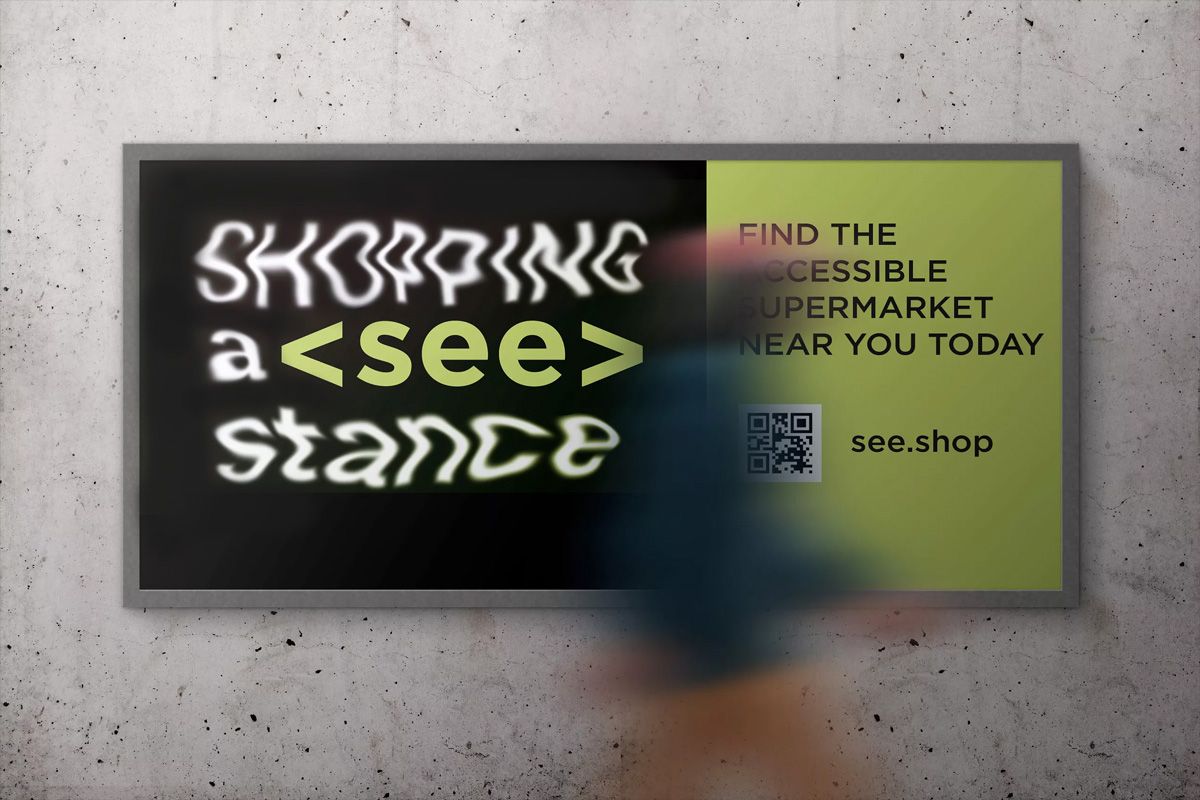
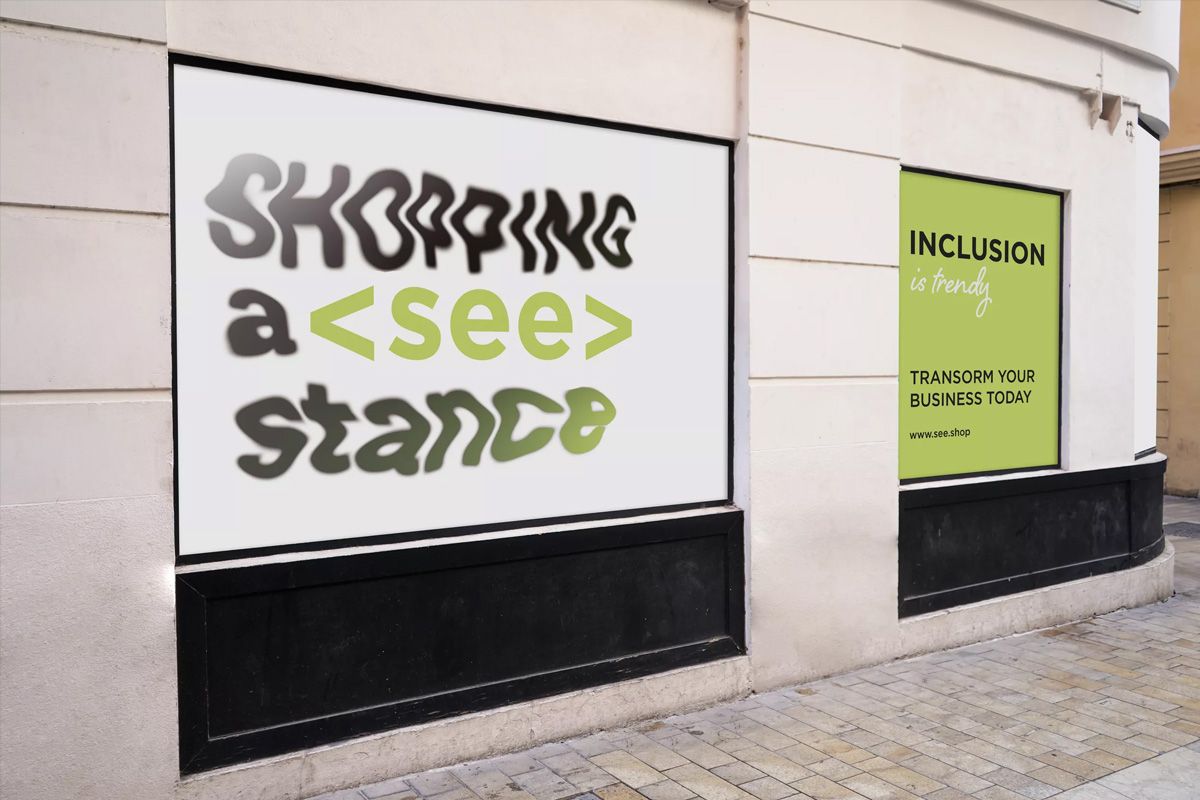
A design research project into how blind and partially sighted people experience shopping, developed through RNIB volunteers. It became A-see-stance: a tactile one-way store and an accessible packaging label, shown at London Design Festival 2023.
It started in November 2020, near Hammersmith station. A blind man crossing the road lost his balance, and for a moment his confidence, over a collapsible safety sign placed in his path.
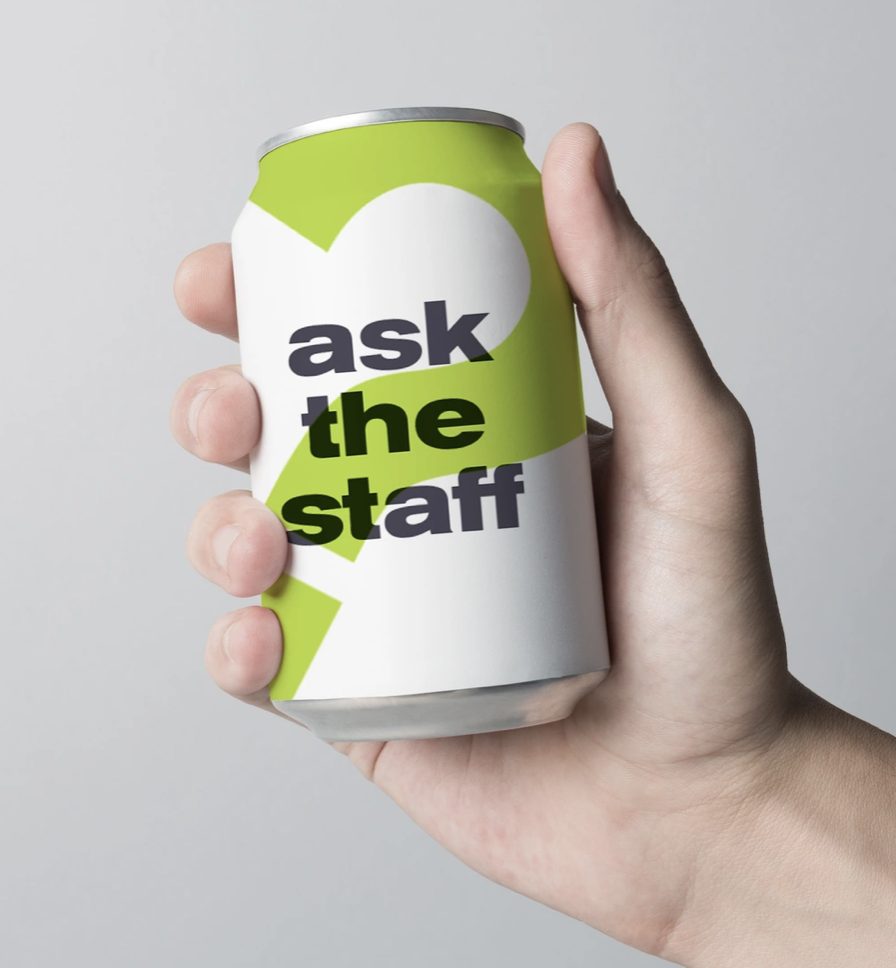
Minutes later, in a supermarket, everything I looked at depended on sight: clever branding, small print, labels high on the shelves. About 2 million people in the UK are blind or partially sighted, and for many of them the only option is to ask for help.
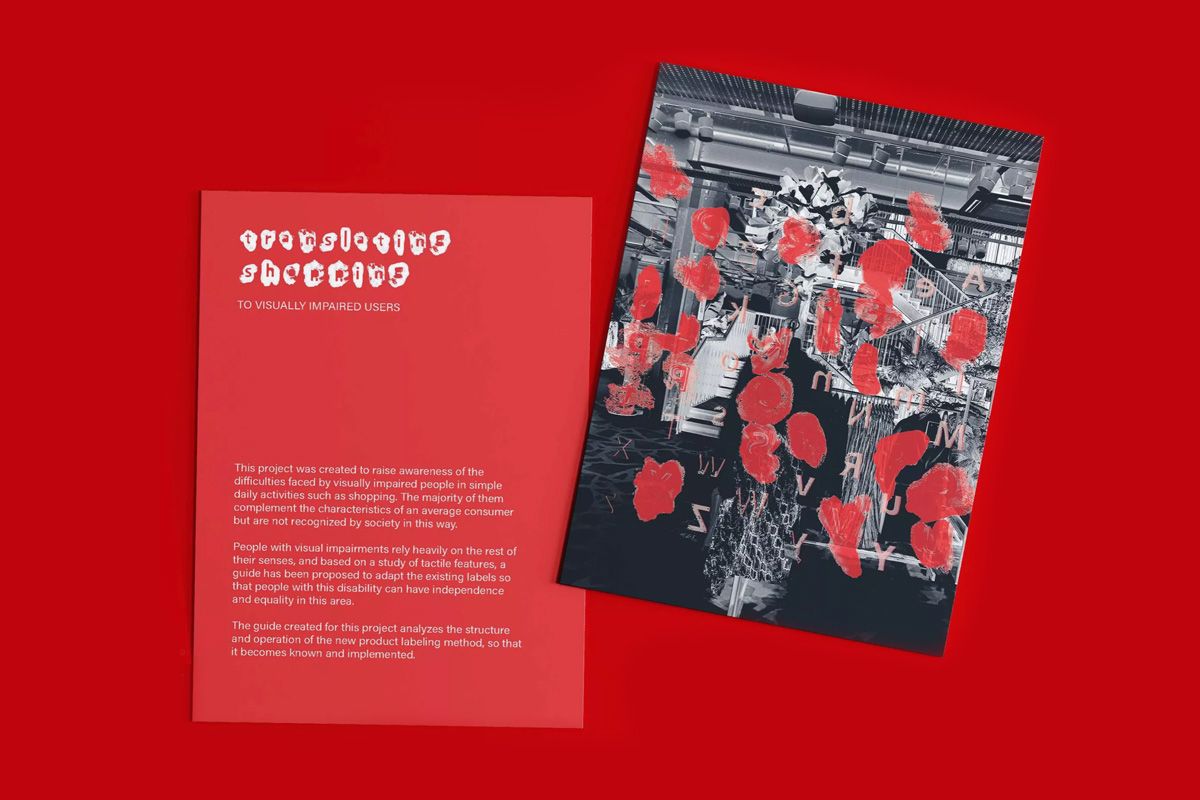
The research report: framing the problem and the numbers
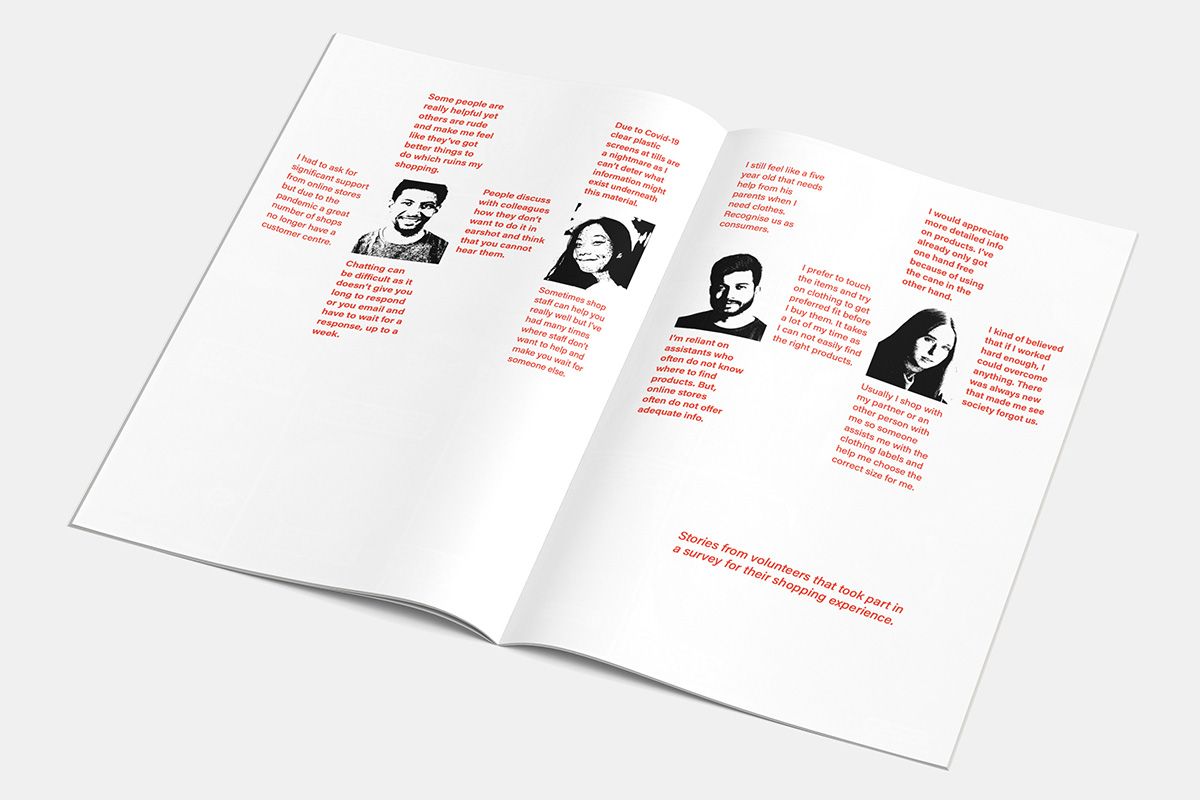
I didn't want to design from assumptions. In June 2021 I became a volunteer with RNIB, working closely with people and families living with sight loss, and ran a survey with RNIB members about their shopping experience.
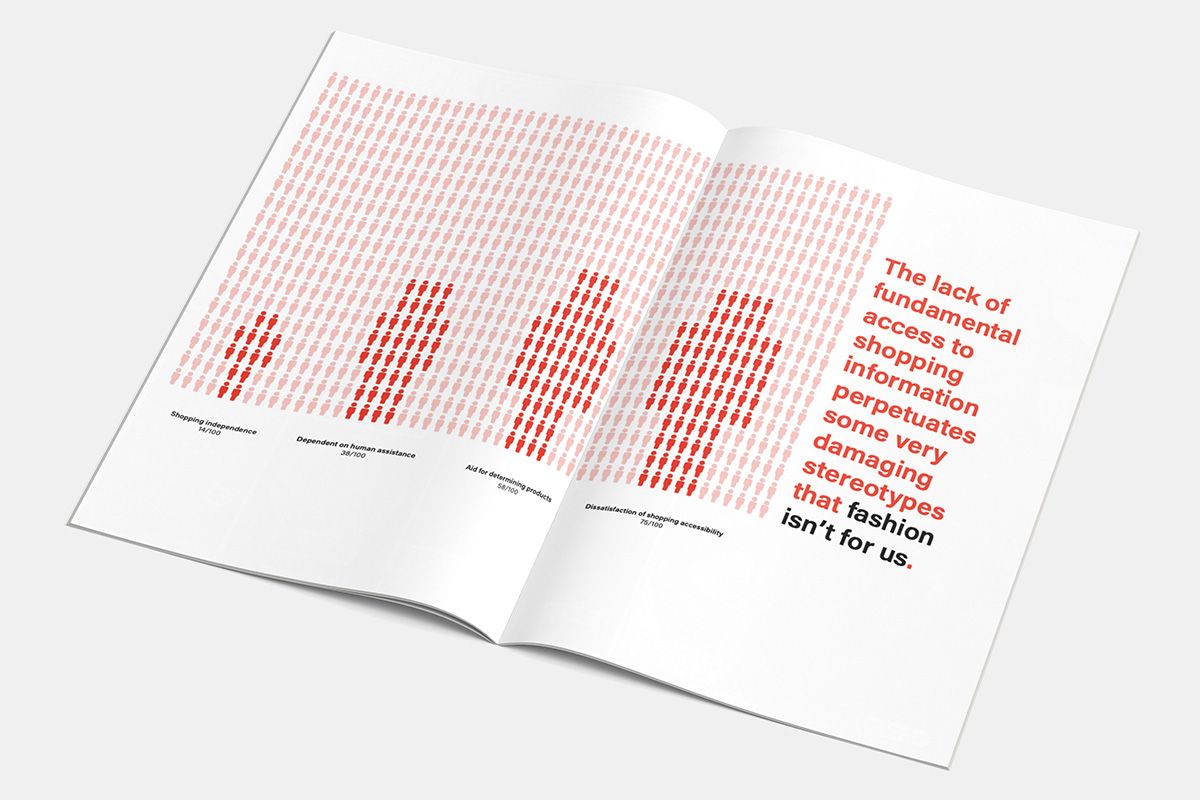
Alongside academic research on spatial cognition and touch perception, the findings were clear: 89% need assistance when shopping, 62% use assistive technology, and 70% feel dissatisfied and forgotten when it comes to accessibility in everyday routines.
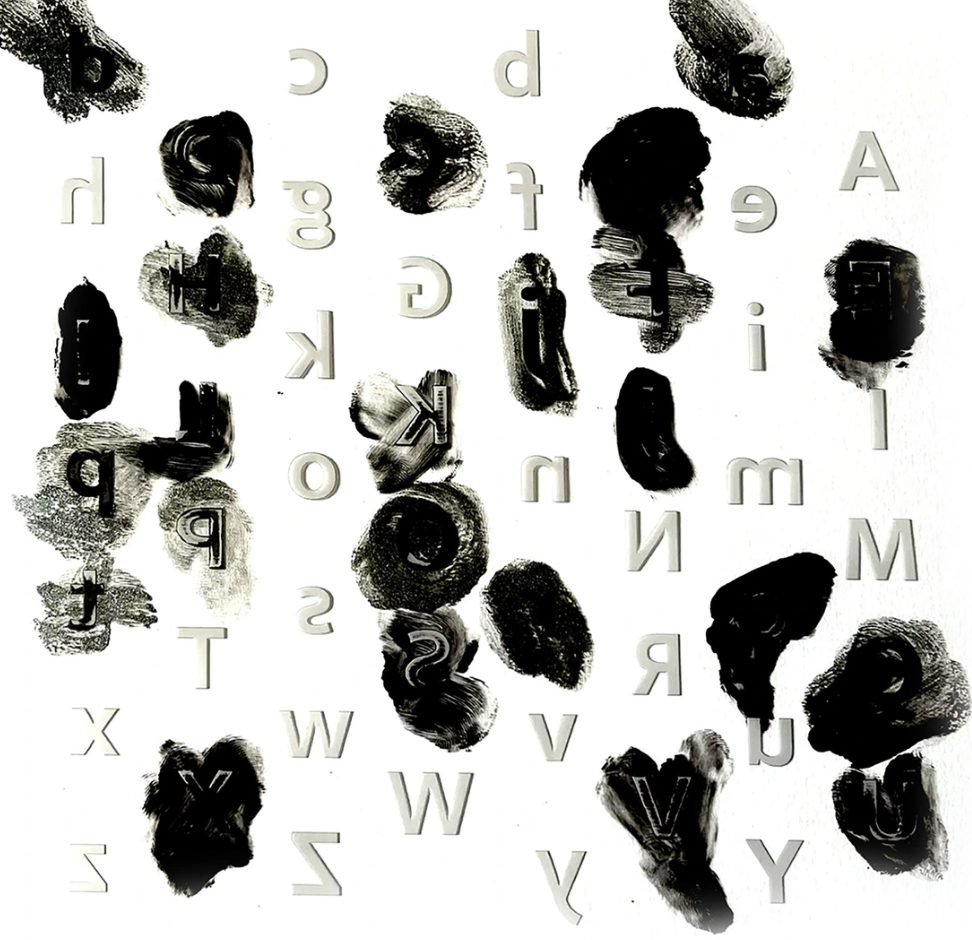
Research shows that shopping is about more than buying things. Drawing on Baker's study of consumers with visual impairments, I set four principles for every design decision:
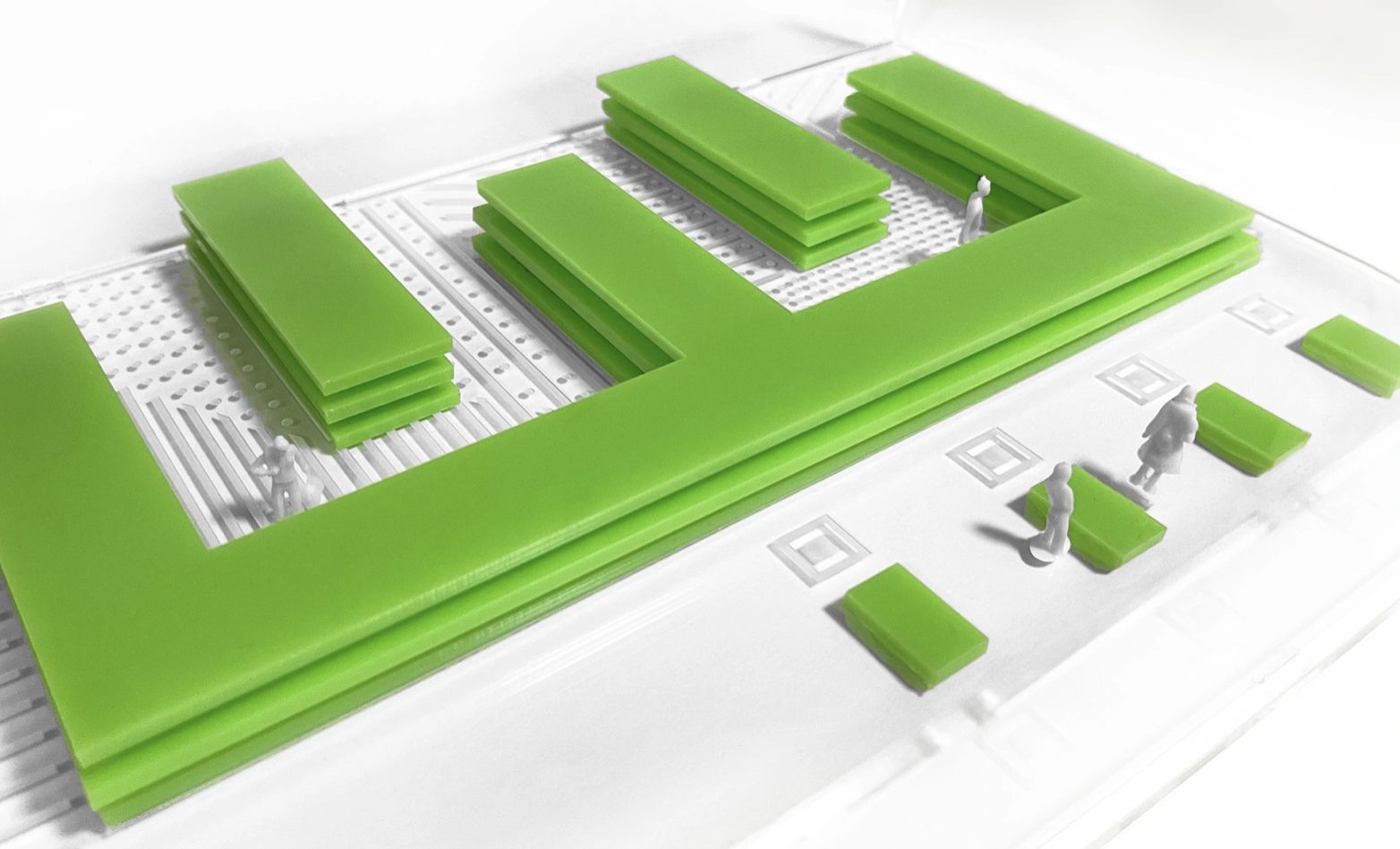
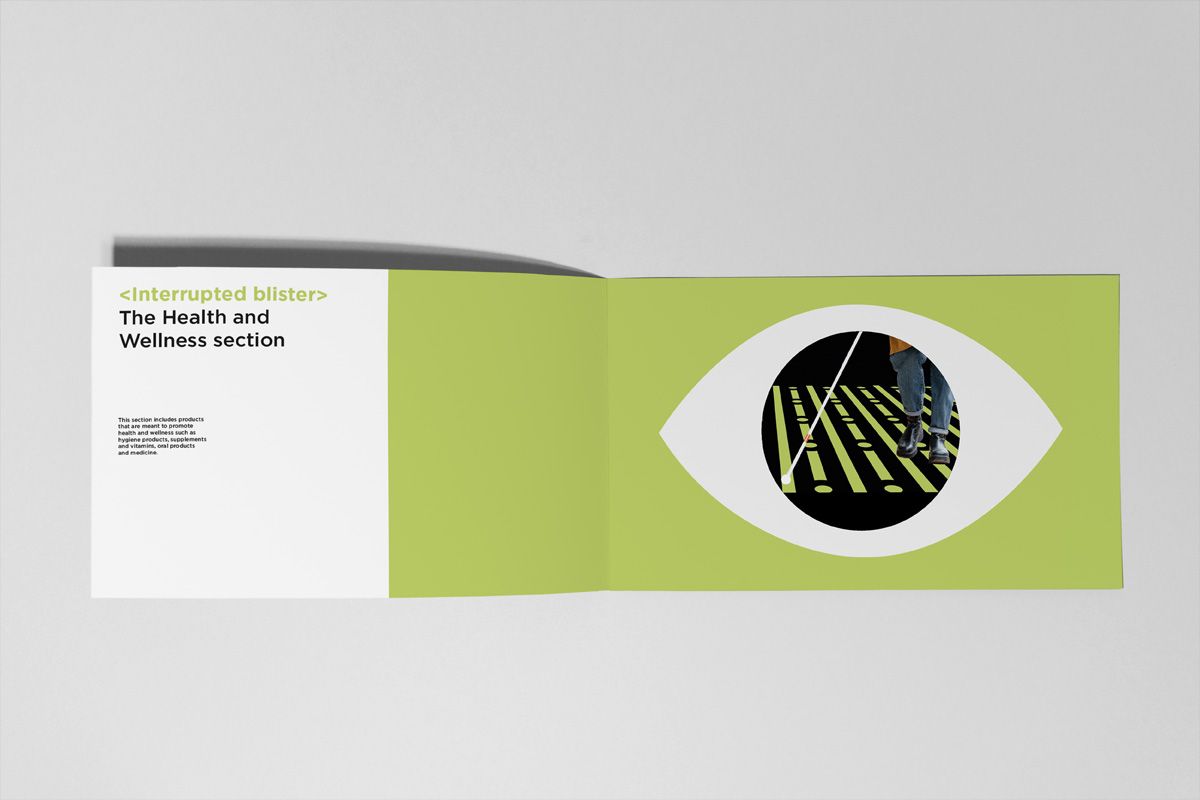
The one-way store turns a confusing grid of aisles into a single route. Tactile flooring uses just four shapes to tell shoppers where they are, from produce to checkout. Their hands stay free for the trolley, and no one needs a mental map on their first visit.
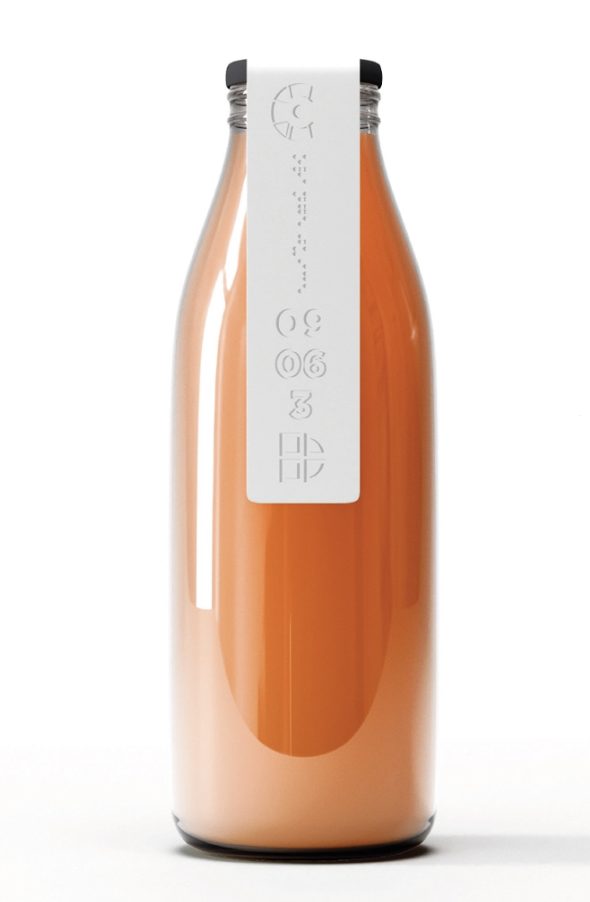
The accessible label adds product name, type, expiry date and allergens to existing packaging, using the white space already there. It's made from a single material with no print, so it stays recyclable, reads in a vertical column, and has a small indicator on the lid that guides hands to it. Choose a chapter to explore.
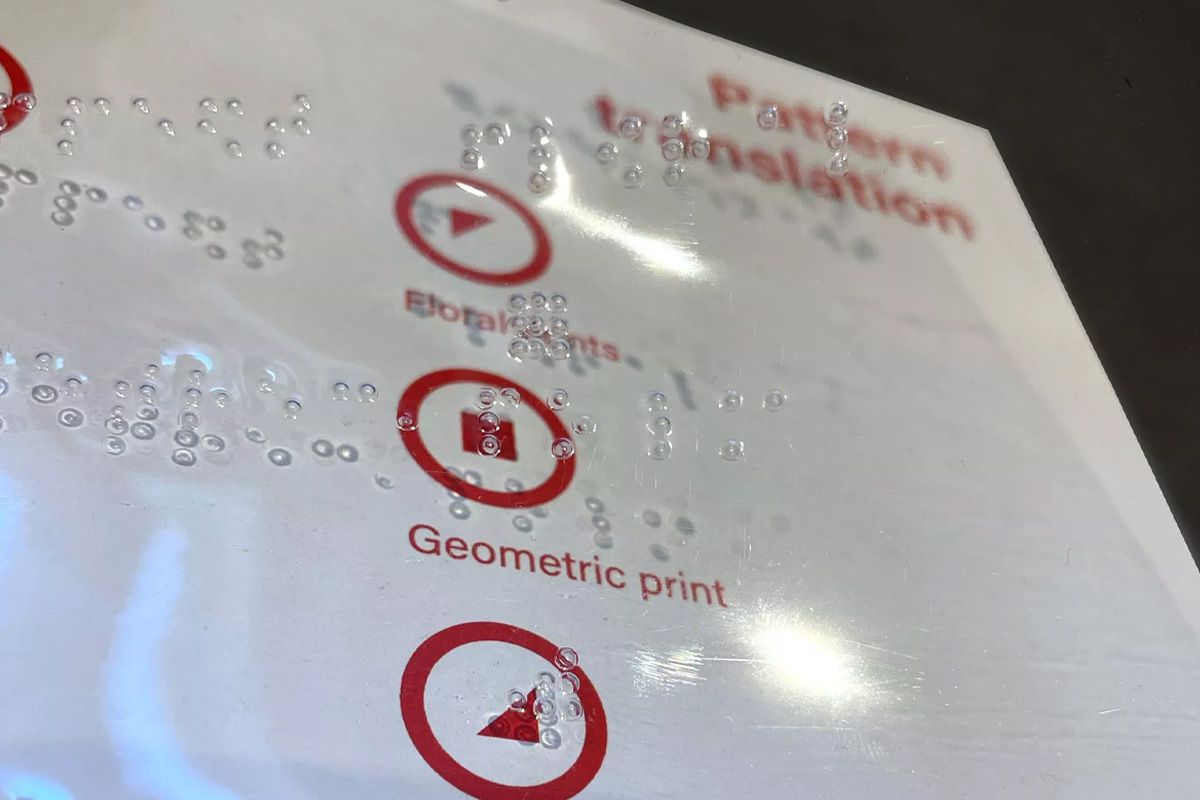
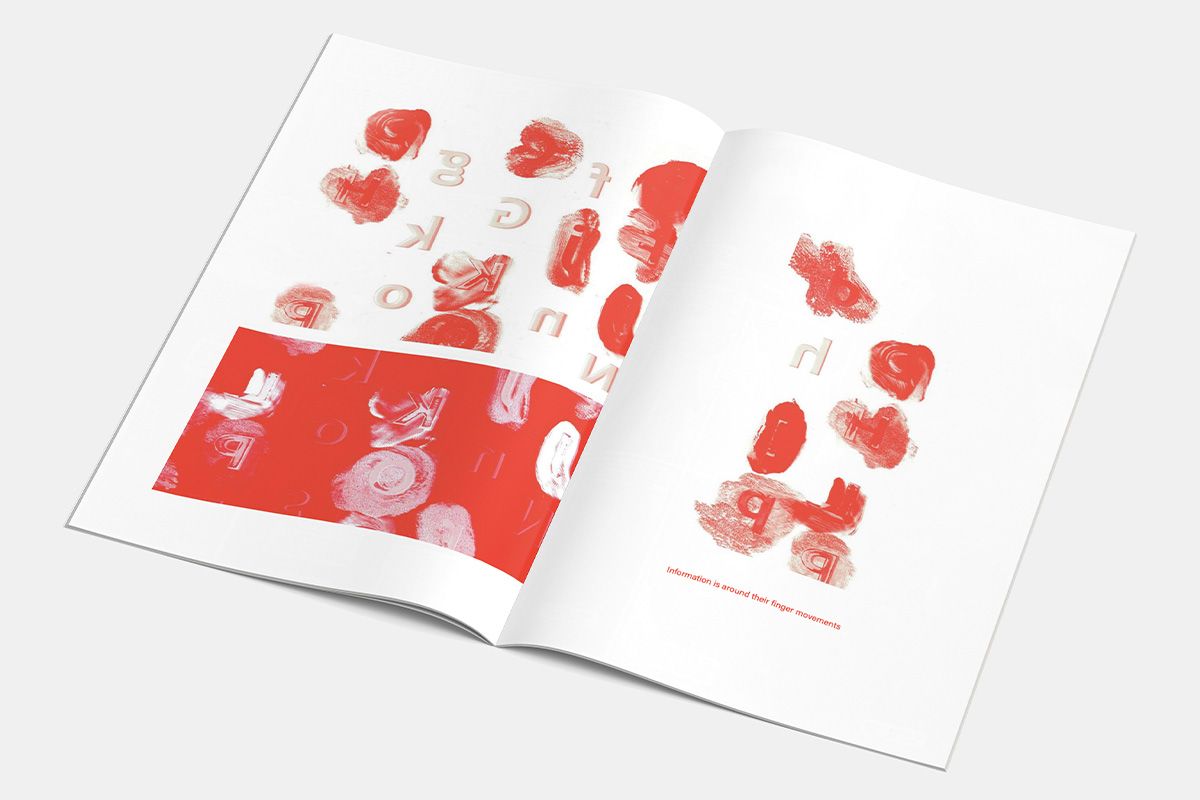
In blindfolded tests, participants given tactile cues correctly identified 95% of products. RNIB volunteers who reviewed the store layout found the shapes distinct, and agreed that once learned, their consistency makes unfamiliar stores easy to navigate.
A-see-stance was showcased at London Design Festival in September 2023. The system is designed to be adaptable, so even a small business could welcome more of its community with a few lines of tactile flooring.

Designing without solving a problem is like building a bridge to nowhere.
Next case study